Building a New Home in Canada: The Phase-by-Phase Checklist
A custom build is 100+ decisions spread over a year. Here's how to sequence them so the expensive mistakes happen on paper, not in drywall.
Building a home is 100+ decisions spread over 8 to 14 months. The cost of a mistake depends entirely on when you catch it — a missed outlet is a five-minute fix during framing and a drywall repair after closing. This is the phase-by-phase sequence that keeps decisions happening while they're still cheap.
The 7 phases of a Canadian new build
- Pre-construction — lot, plans, budget with 15% contingency, mortgage pre-approval, builder references
- Selections + allowances — flooring, lighting, fixtures, tracked against a written allowance schedule
- Permits + site prep — building/plumbing/electrical/HVAC permits, excavation, foundation waterproofing
- Framing + rough-in — plumbing, electrical, HVAC, and site utilities go in while walls are still open
- Pre-drywall walkthrough — the last chance to change anything without cost
- Finishes + PDI — Pre-Delivery Inspection, the document that starts your warranty clock
- Closing + move-in — utilities transferred, address updated, warranty registered
A production/tract build runs 6–9 months from permit; a custom build runs 10–14 months. Weather, trade availability, and change orders extend timelines further.
Never waive the pre-drywall walkthrough
This single hour, walking the framed structure with the site supervisor before insulation goes in, prevents a decade of "I wish I'd added an outlet there." Bring the plans and confirm dimensions match, photograph every wall cavity for future reference, and get sign-off in writing.
- Confirm room dimensions and window/door rough openings match plans
- Add nailing blocks for grab bars, towel bars, and curtain rods before it's closed in
- Add extra outlets, data drops, or lighting — last chance without a change-order cost
- Verify smoke and CO detector wiring meets code
Rough-in items buyers forget
These are cheap during rough-in, while the walls are already open, and expensive to retrofit once they're closed in.
- Dedicated circuits for a garage fridge or chest freezer
- Whole-home surge protection and structured wiring for smart blinds or a network cabinet
- A garage floor drain and frost-free hose bibs with an interior shutoff
- A whole-home leak detector and a battery-backup sump pump
- Site utilities roughed in while the yard is already dug up: a sprinkler line, a yard hydrant, power and gas run to a shed
PDI and new-home warranty
The Pre-Delivery Inspection is a mandatory walkthrough with the builder before you take possession, where every deficiency gets documented in writing — this is your warranty starting point, not a formality. Test every switch, outlet, faucet, and appliance; open and close every window and door; check for drywall pops, seams, and caulking gaps.
In Ontario, the PDI starts your Tarion warranty clock, with 30-day, one-year, and two-year claim windows. Other provinces have their own equivalents — BC Home Warranty, Alberta New Home Warranty, GCR in Quebec — so confirm your builder is registered before you sign anything.
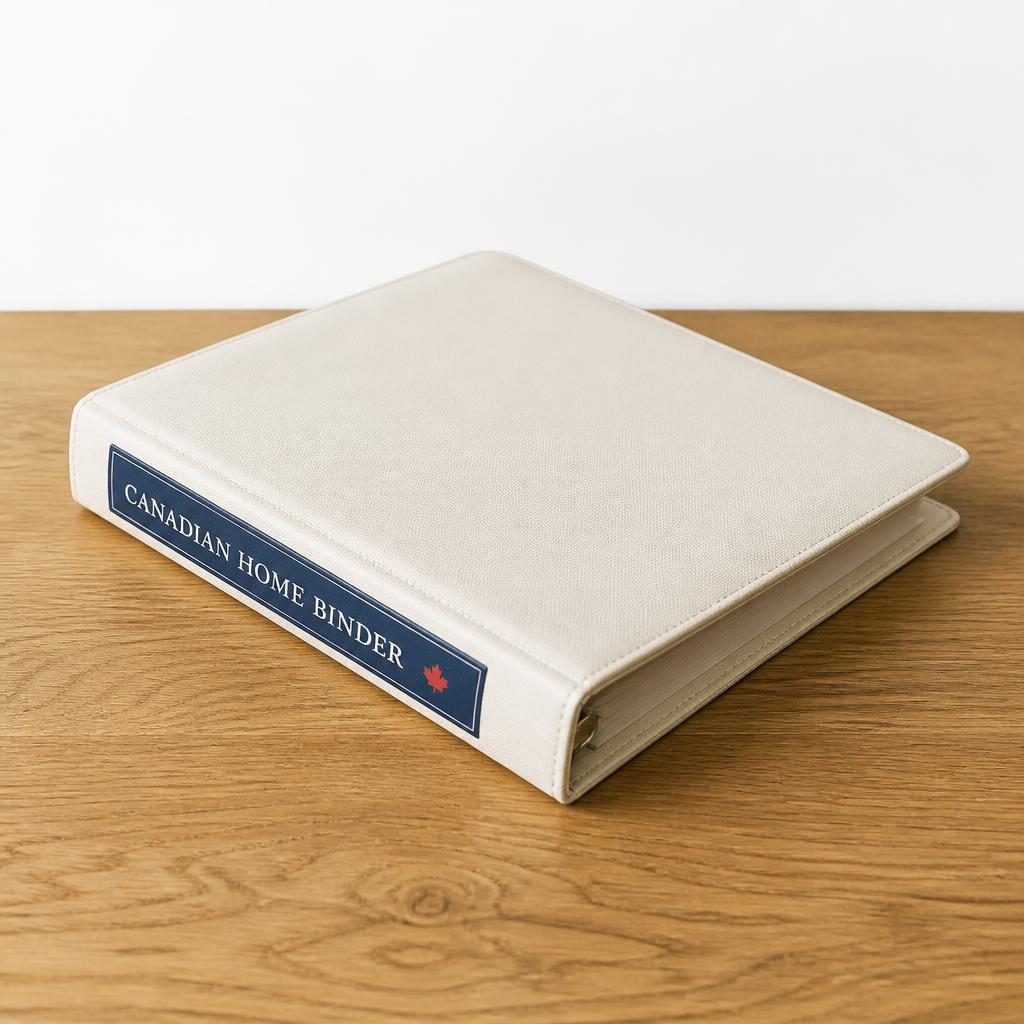
Turn this into a printable system
Every post pairs with a binder or checklist you can actually put on the fridge.
Take this with you: the free New Home Build Checklist for Canadian Families
A printable PDF of the full checklist, emailed to you. Every decision and inspection point from lot purchase to move-in day.
Read the checklist onlineAll free resourcesPersonalized version, CA$12
Frequently asked questions
A production/tract build runs 6–9 months from permit; a custom build runs 10–14 months. Weather, trades availability, and change orders extend timelines.
Keep reading
- Vegan Grocery List Canada
The plant proteins, the B12 plan, and the hidden dairy and gelatin that sneak into packaged food when you're not reading every label.
- Paleo Grocery List Canada
Meat, fish, and vegetables are the easy part — the condiment aisle is where paleo actually gets broken without anyone noticing.
- Plant-Based Grocery List Canada
"Plant-based" and "vegan" aren't the same shopping list — this one is built around whole foods first, not packaged substitutes.