
How to Build an Emergency Fund in Canada
Three to six months of essential expenses, kept somewhere it earns interest but isn't one tap away from a shopping cart. Here's how to actually build it.
An emergency fund has one job: covering a real expense — job loss, a broken furnace, an unplanned trip — without going on a credit card. That job defines both how much you need and where it should sit, which is usually different from where the rest of your savings sit.
How much you actually need
The standard range is three to six months of essential expenses — not your full income, just what it costs to keep the household running: housing, utilities, groceries, insurance, minimum debt payments, and transportation. Extras like dining out and subscriptions don't count, because those are exactly what gets cut first in an actual emergency.
- Single income, stable job, no dependants: closer to 3 months
- Single income supporting a family, or self-employed/commission income: 6 months or more
- Dual income, both stable: 3–4 months is often enough, since a job loss doesn't zero out the household
Where to keep it
An emergency fund has two competing requirements: it needs to be liquid (available within a day or two, no penalty) and it needs to be separate enough that it doesn't quietly become spending money. A high-interest savings account at a different institution than your everyday chequing account satisfies both — it still earns interest, but it takes a deliberate transfer to touch, not a debit tap.
What to avoid: keeping it in your chequing account (too easy to spend without noticing), a TFSA invested in stocks or ETFs (the point of an emergency fund is that it can't drop in value the week you need it), or locked-in products like GICs with early-withdrawal penalties.
How to build it without derailing the rest of your budget
- Automate a fixed transfer on payday, even a small one — consistency beats amount early on
- Build a starter fund of $1,000–$2,000 first, fast, before optimizing anything else — it covers most single unexpected expenses on its own
- Redirect windfalls (tax refunds, bonuses) toward it until it's fully funded
- Once it's at target, stop adding and redirect that same automated transfer toward debt or investing — an emergency fund that keeps growing past its target is just cash losing value to inflation
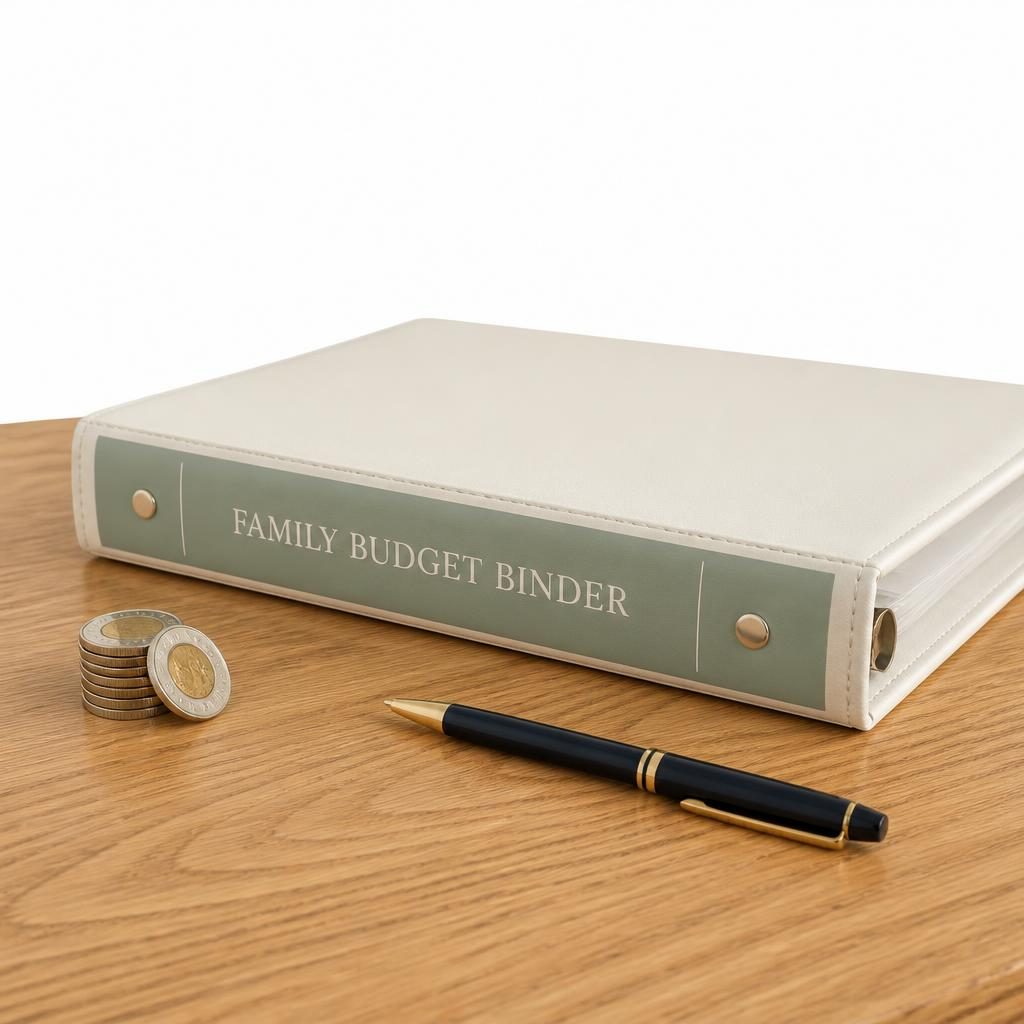
Turn this into a printable system
Every post pairs with a binder or checklist you can actually put on the fridge.
Take this with you: the free Monthly Budget Checklist for Canadian Households
A printable PDF of the full checklist, emailed to you. The 6-step monthly budget routine that keeps Canadian family finances on track — plus RRSP/TFSA/RESP guidance, a subscription cleanup, and cost-cutting strategies.
Frequently asked questions
Three to six months of essential expenses — housing, utilities, groceries, insurance, minimum debt payments — not your full income and not discretionary spending.
Keep reading
- Canadian Dental Care Plan Explained
Eligibility, the income-based coverage tiers, and the application steps for the federal dental plan most Canadians without workplace coverage now qualify for.
- CPP Payment Dates & Calculator Guide
When CPP actually pays out each month, how to get a real estimate of your amount, and the early-vs-65-vs-70 decision that affects your payment for life.
- The Monthly Budget Checklist That Keeps Canadian Households Out of the Red
Income, fixed costs, variable costs, savings, RRSP/TFSA/RESP order, a subscription cleanup, and the 50/30/20 routine in one system.