
Estate Planning & Executor Checklist for Canadian Families
Getting your own affairs in order, and what an executor actually does after a death — in the order it actually needs to happen.
Quick answer
This covers two different needs. Planning ahead means a valid will, a named power of attorney for property and for personal care, and up-to-date beneficiary designations on RRSPs, TFSAs, and insurance. Acting as an executor after a death means, in order: get the medical certificate of death, register the death for a death certificate (usually through the funeral home), locate the will, notify Service Canada/CRA/banks/insurers, apply for probate if required, open an estate account, file the deceased's final tax return, and distribute the estate once debts and taxes are settled. Neither list replaces a lawyer or notary for your specific situation.
Want this as a printable PDF? It's free.
We'll email you Estate Planning & Executor Checklist for Canadian Families formatted for 8.5×11, ready to print.
This page covers two related but different jobs: getting your own affairs in order now, and knowing what actually needs to happen if you're named executor for someone else's estate. Both are easier when they're a checklist instead of a blank page during a hard week.
Planning ahead (do this before it's needed)
- A valid, signed, witnessed will — and tell your executor where the original is kept
- Name a power of attorney for property (financial decisions) and a separate power of attorney for personal care (health decisions) — most provinces treat these as two distinct documents
- Review beneficiary designations on RRSPs, TFSAs, RRIFs, and life insurance every few years — these pass directly to the named beneficiary, outside the will, so an outdated designation overrides what the will says
- Choose an executor who's willing and able to take this on, and confirm with them directly rather than assuming
- Keep your important documents checklist and emergency binder up to date — this is exactly what your executor will need first
- Consider a separate letter of wishes for funeral preferences — not legally binding, but it removes guesswork from family during grief
First few days after a death
- Get the medical certificate of death from the attending physician, hospital, or coroner
- Contact a funeral home — they typically handle registering the death with the province and can provide certified copies of the death certificate, which you'll need multiple originals of
- Locate the will, and confirm who's named executor
- Secure the person's home, vehicle, and valuables if they lived alone
- Arrange care for any dependants or pets
- Order at least 8-10 certified copies of the death certificate — nearly every institution below will ask for its own original, not a photocopy
Who to notify
- Service Canada — CPP/OAS payments must stop; the estate may be eligible for the CPP death benefit, a one-time payment (generally $2,500, though some contributors qualify for a higher amount — confirm the current figure at canada.ca)
- CRA — notify of the death; a final tax return will need to be filed
- Banks and financial institutions — accounts are typically frozen until the estate is settled, aside from a jointly-held account
- Life insurance company, if applicable — claims can often be started right away
- Employer, if the person was still working — for final pay, benefits, and any group life insurance
- Landlord or mortgage lender, and utility companies
- Health card, driver's licence, and passport offices — these need to be returned or cancelled
- Credit card companies and any lenders
- Canada Post — mail redirection to the executor is worth setting up
Probate & the estate account
- Probate is a court process confirming the will is valid and the executor has authority — not every estate needs it, but banks and land registries often require it before releasing larger assets
- Requirements, fees, and timelines vary by province — this is worth a conversation with an estates lawyer or notary early, not after you've hit a wall trying to access an account
- Open a separate estate bank account once you have authority to act — don't run estate funds through your own personal account
- Keep a detailed record of every transaction in and out of the estate account — you may need to account for it to beneficiaries or the court
- Pay the deceased's known debts and the estate's expenses before distributing anything to beneficiaries
Final tax return & distributing the estate
- File the deceased's final personal income tax return (the "terminal return") with the CRA — deadlines depend on the date of death, confirm the exact one with CRA or an accountant
- The estate itself may also need to file a trust tax return if it earns income (like interest) before it's fully distributed
- Get a clearance certificate from the CRA before making the final distribution — this confirms all taxes owing have been paid, and protects the executor personally if a tax debt surfaces later
- Distribute the estate according to the will (or provincial intestacy rules if there's no will) only after debts, taxes, and the clearance certificate are settled
- Keep records for several years after closing the estate, in case a question comes up later
Practical tips
- Order more certified death certificates than feels necessary — running out and reordering mid-process is a common, avoidable delay.
- A jointly-held bank account with the right of survivorship usually passes directly to the surviving joint owner, outside the estate — worth knowing early, since it changes what's actually frozen.
- This is organizational guidance, not legal or tax advice — an estates lawyer or notary can tell you what actually applies to a specific estate and province.
Sources
Deadlines, dollar figures, and thresholds above were checked against these sources — July 2026. Rules change; always confirm current figures at the link before relying on them.
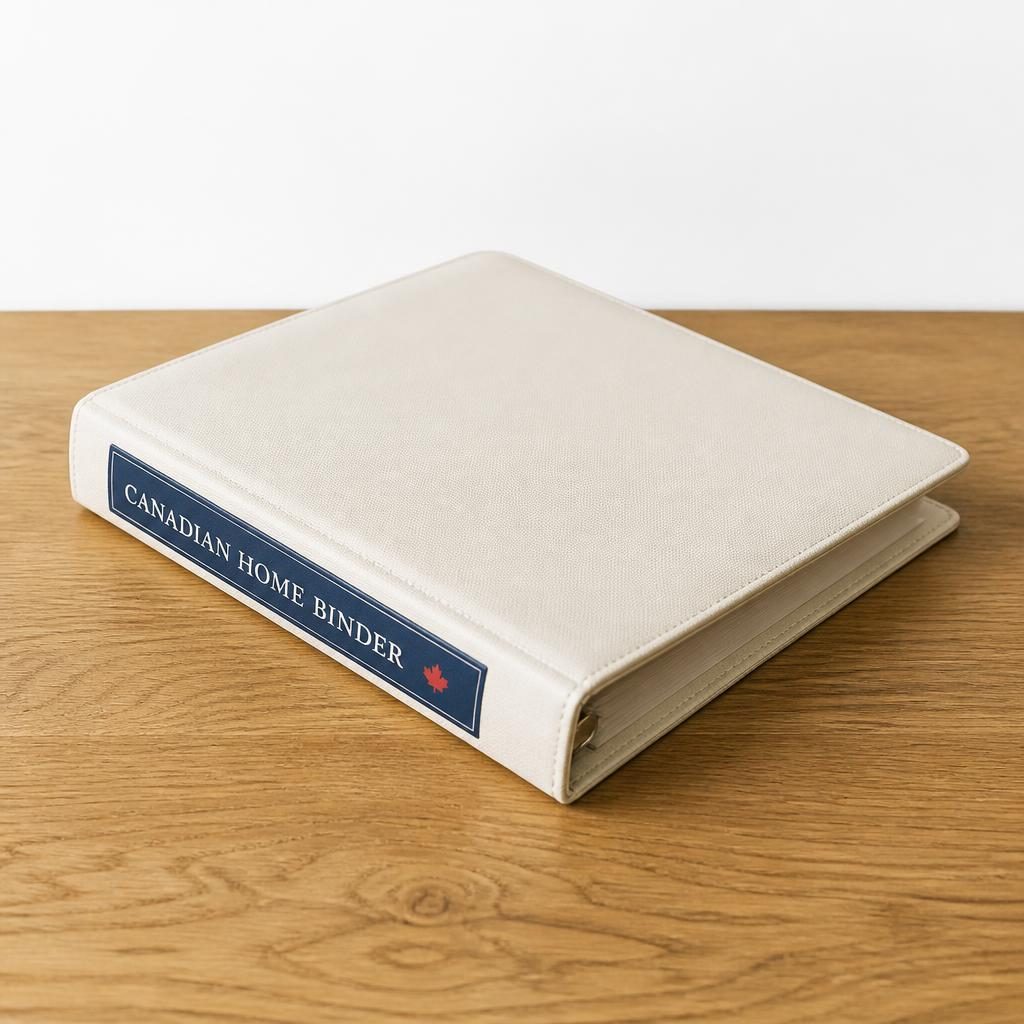
Want the printable version?
Get the matching printable binder — a one-time purchase, no subscription. Your download link is active for 30 days; the files are yours to keep and reprint.
Get the Complete Canadian Life Admin Bundle
Get every binder and every personalized checklist we offer. Your bundle includes personalized versions built around your household, plus the original ready-to-use binder PDFs.
Shop the BundleFrequently asked questions
A one-time payment from Service Canada to a deceased CPP contributor's estate, generally $2,500 — some contributors may qualify for a higher top-up amount. Confirm the current figure and eligibility at canada.ca before assuming an exact number.
Related checklists
- Travel & Vacation Checklist for Canadian Travellers
The packing list, plus the Canada-specific parts most checklists skip — provincial health coverage abroad, CBSA limits, and passport validity.
- Marriage Checklist for Canadian Couples
Not the wedding-planning checklist — the legal one. The licence, common-law vs. married, and what actually needs updating after.
- Important Documents Checklist for Canadian Households
The five categories of documents every Canadian family needs on file, and how long to keep them.
- Wedding Planning Checklist for Canadian Couples
The month-by-month planning order — venue first, then vendors, then invitations — with your province's marriage licence timing worked into the right spot, not bolted on separately.