
Where to Store Important Documents Safely
The right answer isn't one storage method — it's matching each document to the one place it actually needs to survive a fire, a flood, or a Tuesday when you need it in five minutes.
The mistake most households make with document storage is picking one method for everything. A fireproof box, a bank safety deposit box, and a digital backup each solve a different failure mode — a house fire, a lost original, or needing something at 11pm on a Sunday — and no single one of them covers all three.
Fireproof box at home
A home fireproof/waterproof box is for documents you need fast and can replace but would rather not: passports, wills (a copy — see below), insurance policies, property deeds, and vehicle titles. Look for a UL fire rating of at least 30 minutes and a separate waterproof seal — fire suppression water damages paper as reliably as the fire does.
Keep it somewhere findable in an evacuation — a front closet, not a basement or attic — and tell at least one other adult in the household exactly where it is.
Bank safety deposit box
Reserve the safety deposit box for documents that are genuinely difficult or impossible to replace: original birth and marriage certificates, citizenship or landed-immigrant documents, the original will, property title documents, and valuable collectibles or jewellery with no other secure storage.
The tradeoff: it's only accessible during bank hours, and in most provinces it's sealed on the box-holder's death until an executor produces a grant of probate — which is exactly why the original will shouldn't be the only copy anywhere, and why your executor needs to know the box exists before they need it.
Encrypted digital backup
Scans solve the 11pm problem — needing a document when neither the fireproof box nor the bank is reachable. They don't replace originals for anything that requires a physical document to process (passport renewal, probate, most closings), but they cover everything else: insurance claims, school registration, job applications, and simply knowing what you have.
- An encrypted password manager or cloud folder, not a plain email attachment
- A second, offline backup — an encrypted USB drive stored somewhere other than the house
- Consistent file naming as you scan: year, category, description — a folder of "IMG_4471.jpg" files isn't a system
What goes where, at a glance
- Fireproof box: passports, insurance policies, vehicle titles, a copy of the will
- Safety deposit box: original birth/marriage certificates, citizenship documents, the original will, property title
- Digital backup: scans of everything above, plus anything you'd otherwise need to hunt for — warranties, medical records, tax returns
Most households need all three, not one. The full document-by-document breakdown — which category each one falls into and how long to keep it — is in the complete important documents checklist.
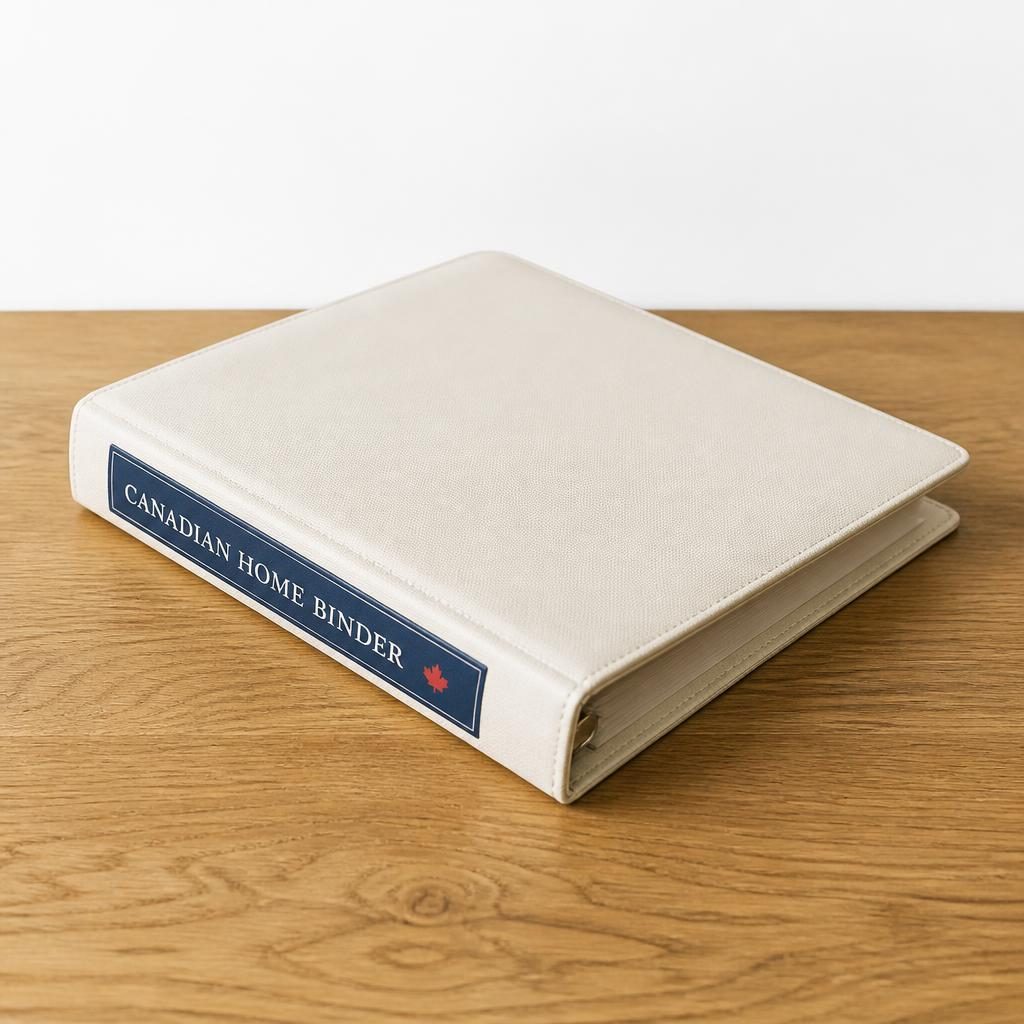
Turn this into a printable system
Every post pairs with a binder or checklist you can actually put on the fridge.
Take this with you: the free Important Documents Checklist for Canadian Households
A printable PDF of the full checklist, emailed to you. The five categories of documents every Canadian family needs on file, and how long to keep them.
Read the checklist onlineAll free resourcesPersonalized version, CA$9
Frequently asked questions
Keep the original there, but also keep a copy in your home fireproof box and make sure your executor knows both locations. In most provinces, banks seal a deceased person's safety deposit box until an executor produces a grant of probate — so the box shouldn't be the only place the will exists.
Keep reading
- Recycling Guide for Canadian Households
Canadian recycling rules vary by municipality, but the mistakes that contaminate a whole bin are the same everywhere — and most of them involve something people assumed was recyclable.
- The Meal Planning System That Actually Survives a Real Week
A meal plan that assumes a perfect week doesn't survive a real one. Here's the version built to bend without breaking.
- First Apartment: What to Actually Buy First
Full-registry checklists set you up to buy things you don't need yet. Here's the shorter list for what actually matters in week one.