
Best Kids Chore & Allowance Products for Canadian Families
A chore chart only works if the system behind it holds up. A magnetic reward chart, a give/save/spend money box, and real-sized tools for younger kids.
Our Kids Chore Chart covers age-appropriate chore lists by age group. These three products are the physical side of making a chore system actually stick — a visible daily chart, a real place for allowance to go, and tools young kids can actually use.
Why most chore charts stop working after week two
A printed chore chart taped to a wall tends to fade into background noise within a couple of weeks — nothing changes on it day to day, so kids stop looking at it. A magnetic system with movable pieces gives kids something to physically interact with, which is a big part of why it holds attention longer than a static printout.
The other common failure point is allowance with no system behind it — money changes hands, but nothing teaches the kid what to do with it. Tying allowance to a simple save/spend/give structure from the start builds a habit that a chore chart alone doesn't teach.
The 3 picks
This page contains affiliate links. If you buy through one, we may earn a small commission at no extra cost to you — see our affiliate disclosure.
SpriteGru Magnetic Reward Chart
A big dry-erase magnetic board with 84 chore magnets, 272 reward stars, and 3 name cards — enough to run the whole household's chore rotation on one fridge-sized board that kids can actually see and update themselves.
- 84 chore magnets (7 blank, so you can add anything specific to your household)
- 3 name cards — covers multiple kids on one board instead of buying separate charts
- 4.3 stars from over 2,000 ratings and an Amazon's Choice pick
- The visual, physical format works better than an app for kids too young to check a phone
Mczxon Wooden Give / Save / Spend Money Box
Three labelled compartments turn allowance from "money that disappears" into an actual first lesson in budgeting — kids physically sort what they earn into spend, save, and give before it goes anywhere else.
- Simple wooden box with three clearly separated compartments
- Makes allowance a hands-on habit instead of an abstract number you tell them about
- 4.6 stars, sold directly by Mczxon with standard Amazon.ca shipping
- Pairs naturally with a chore chart that ties completed chores to allowance
MAYEV Mini Broom & Dustpan Set
A kid-sized broom and dustpan that actually works, rather than a toy version — the difference between a young child watching a chore get done and a young child doing part of it themselves.
- Full-size functional bristles and a real dustpan, sized down for smaller hands
- 4.5 stars from over 2,300 ratings
- Detachable broom head works for corners, desks, and small messes, not just floors
- The right tool for the youngest kids in a household chore rotation, where an adult-sized broom is genuinely unusable
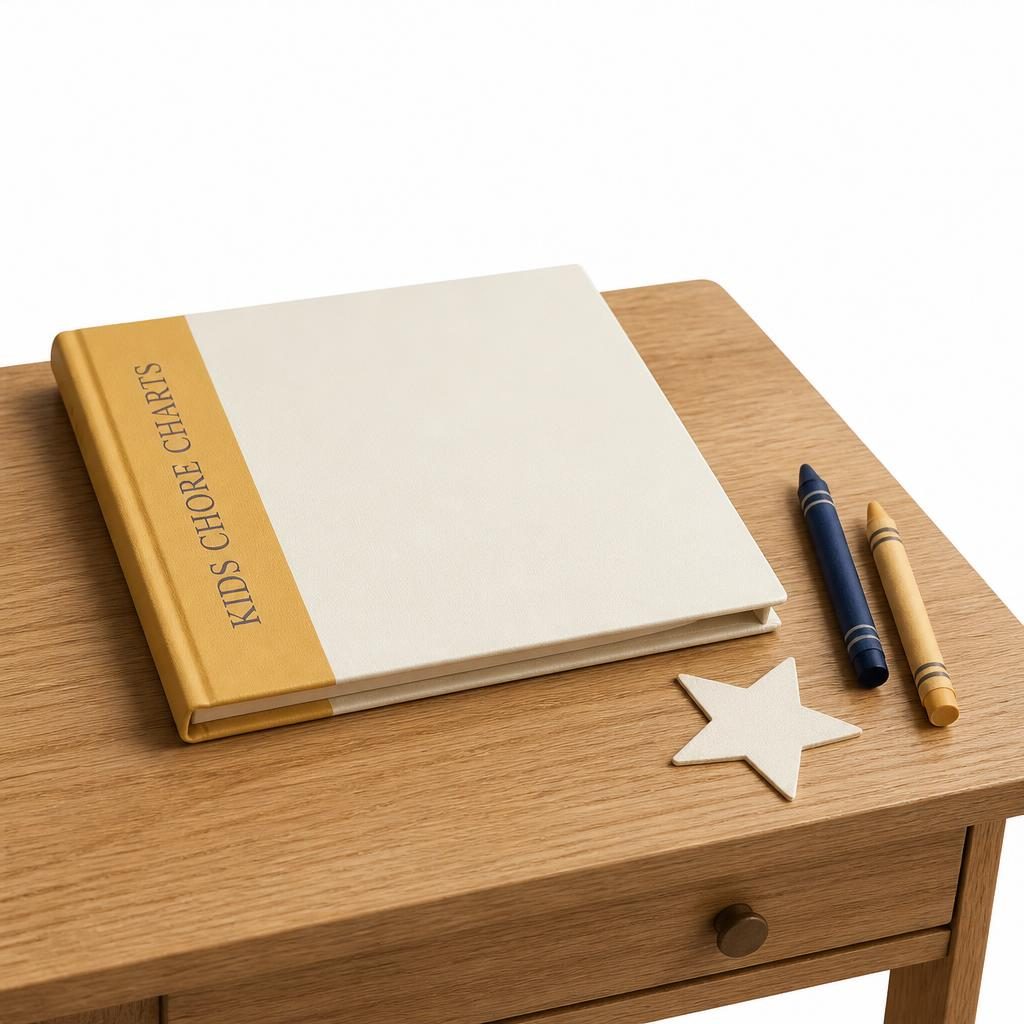
Turn this into a printable system
Every post pairs with a binder or checklist you can actually put on the fridge.
Take this with you: the free Kids Chore Chart Checklist + Printable
A printable PDF of the full checklist, emailed to you. Age-by-age chore lists, a weekly rotation, and an allowance system that lasts.
Frequently asked questions
Most families start some version of a chore chart around age 3–4 with very simple tasks (put toys away, help set the table), and expand the list as kids get older. A magnetic system with movable pieces works well for younger kids who respond better to a physical, interactive board than a static printed list.
Keep reading
- Best Radon Detectors for Canadian Homes
Health Canada's guideline is a 91-day test, not a 5-minute reading — these four options actually meet that bar, from a $55 lab-analyzed kit to a $380 whole-home monitor.
- Best Smart Water Leak Detectors for Canadian Homes
Canadian insurers including Intact and Aviva actually discount premiums for these — but only some tiers qualify. Here's the real difference between a $66 local alarm and an $800 automatic shutoff.
- Best Infant & Convertible Car Seats for Canadian Parents
Transport Canada is direct about this: a car seat bought across the border, even a great one, may not be legal to use here without the National Safety Mark. Three real options that clear that bar.